A windshield or door glass rarely fails at a convenient time. Cracks spider across the driver’s line of sight on I‑85, a stone leapfrogs from a dump truck on Highway 29, or a thief pops a rear quarter window in a quiet neighborhood near Hillcrest. I’ve worked with vehicle glass long enough to see every version of the story, and I’ve learned that the difference between a stressful day and a manageable fix often comes down to understanding the process. Whether you need full windshield replacement Spartanburg drivers can trust, or a simple windshield chip repair Spartanburg commuters can book on a lunch break, knowing how the work should unfold helps you make smarter choices, avoid repeat problems, and get safely back on the road.
This guide breaks down the real sequence we use in the field for auto glass replacement Spartanburg residents request most often. It also covers when repair is smarter than replacement, what to expect from mobile auto glass Spartanburg service vans, how calibration works on modern vehicles, and the practical details that never make the brochure: adhesives, cure times, weather, warranties, and how to prep your car so the job goes smoothly.
When repair beats replacement, and when it doesn’t
Not every damaged windshield has to come out. A clean chip, smaller than a quarter, that sits outside the driver’s primary viewing area, can usually be injected and cured within 30 minutes. Even small cracks, under about 6 inches, might be stable enough to fix if they haven’t collected moisture or dirt and aren’t branching. Good windshield repair Spartanburg shops will evaluate size, location, and contamination before suggesting a plan. If they push replacement every time, you’re in the wrong place.
Replacement becomes the responsible option when the crack crosses the driver’s critical viewing zone, when you see multiple stars or long runners near the edges, when a previous repair failed, or when laminated glass has suffered a deep impact that disrupted structural layers. Edge cracks are especially unforgiving because the windshield bonds into the pinch weld and contributes to roof rigidity. On a modern unibody car, that glass is part of the safety cage. If it’s compromised near the bond line, you don’t play games with repair.
Side and rear windows are usually tempered glass. Tempered shatters, it doesn’t crack, so car window repair Spartanburg technicians typically replace those panes outright. Rear windows often have defroster grids and antenna traces baked in, which raises the stakes on choosing the correct part and avoiding bargain-bin glass.
The first call: what a good shop will ask
A seasoned auto glass shop Spartanburg advisors ask consistent questions before they book you. They’re not making small talk, they’re making sure the techs show up with the right materials and a realistic plan.
- Vehicle info: year, make, model, trim, and VIN if you have it handy. The VIN reveals camera packages, rain sensors, acoustic glass options, and even the color of the shade band if equipped. Damage description: size and location of chips or cracks, whether it’s in the driver’s view, and if there’s interior moisture. Photos help. Features: heads-up display, lane departure camera, heated wiper park area, solar/IR coatings, or dynamic calibration requirements. These affect glass type and post-install steps. Environment: is the car in a garage, carport, or outside? Mobile teams can work curbside, but temperature, wind, and rain matter for adhesives. Insurance: whether you’re paying out of pocket or filing a claim. South Carolina policies vary, but comprehensive coverage often applies.
Those five minutes on the phone save delays later. When the wrong glass shows up, the day is lost. When the right glass arrives, you’re done in about 90 minutes for a typical windshield replacement Spartanburg technicians perform daily, plus cure time and possible calibration.
Mobile service vs. bringing it into the shop
Mobile auto glass Spartanburg crews handle most jobs in driveways, office parks, and retail lots. For straightforward repairs and many replacements, mobile is efficient and safe. Where a physical shop has the edge is in heavy rain, low temperatures, high winds, or when advanced driver assistance systems (ADAS) need static calibration targets that require level floors and controlled lighting. If your car uses a forward radar behind the grille plus a camera behind the glass, the shop may prefer to handle the installation and calibration in one controlled visit.
A competent provider will tell you when mobile makes sense and when it doesn’t. If they send a van to recalibrate a complex camera in an uneven parking lot, expect them to return for a second visit.
The step-by-step process for auto glass replacement
Every technician has a rhythm, but the professional sequence for vehicle glass repair Spartanburg customers expect from pros follows a consistent arc. From the first tool that touches the car to the last test drive, you should see careful prep, clean removal, precise bonding, and documentation.
- Preparation and protection: The tech greets you, verifies the vehicle, and rechecks options like lane camera or rain sensor. Battery negative may be disconnected if the car has sensitive ADAS modules. Paint protection film or fender covers should go down near the cowl and A‑pillars. Wipers, plastic cowl trim, and the rearview mirror assembly come off. If there are garnish moldings, clips, or reveal trims, they get gently removed or released. Cut-out of the old glass: Using fiber line, cold knives, or oscillating tools, the tech severs the old urethane bead that bonds the windshield to the body’s pinch weld. A careful cut preserves the painted flange and avoids warping. The old glass lifts out and goes straight into a cradle or rack, not on the ground where it can arc back into paint. Pinch weld inspection and preparation: Adhesive residue is trimmed to a consistent thin layer called a “short cut,” which promotes adhesion and minimizes extra thickness. Bare metal gets a primer or anti-corrosion treatment per the adhesive system. Rust spots are flagged on older vehicles. If the pinch weld has structural rust, a quality shop will slow down and explain options. Bonding over rust is asking for leaks later. Dry fitting and part verification: New glass is unboxed, labels checked against the work order, and the contour and sensor mounts inspected. If there’s a lane camera bracket, the tech confirms the bracket angle and mount height. This is the moment where an experienced installer saves you hours by catching a part mismatch before any adhesive hits the glass. Primer and urethane application: Depending on the adhesive brand, a glass primer may be applied to the frit band, and an activator applied to the remaining body urethane. The bead is laid as a continuous triangle using a powered gun for consistent height. The bead height matters. Too low, and you get wind noise and leaks. Too high, and you crush the bead and mis-seat the glass. Setting the glass: With suction cups and guide stops, the glass drops in a single controlled motion. A two-tech set is ideal for SUVs and trucks. The windshield aligns with body reference points the factory designed. The tech presses along the perimeter with even pressure. In cold weather, they may warm the cabin or glass to ensure the adhesive flows properly. Reassembly and cleanup: Trims, moldings, cowl panels, wipers, mirror, and sensor covers go back on. The adhesive’s excess is dressed if needed, but ideally, a perfect bead needs no cosmetic carving. The workspace gets vacuumed, and the interior is wiped to remove any urethane smudges or glass dust. A water hose test may follow to check for leaks if conditions allow. ADAS calibration: If your car has a forward-facing camera, the shop will either perform a static calibration with targets or a dynamic calibration that requires a test drive at specified speeds on clear, marked roads. Some vehicles need both. This step makes the difference between properly functioning lane keeping and a wandering system you can’t trust. Safe drive-away time (SDAT): The adhesive manufacturer publishes cure times based on temperature and humidity, often 30 to 120 minutes before the car can be safely driven. A good shop won’t fudge this. They’ll give you a printed or digital SDAT, not a casual “you’re good to go.”
You can watch most of this happen from a safe distance, but don’t hover. The installer needs room to swing tools and set the glass in one clean motion. Crowd them, and you risk a mis-seat. Speak up if you hear the words “we can reuse the old clips,” especially on exterior moldings. New clips cost a few dollars and save rattles down the line.
Adhesives, temperatures, and the role of weather
Urethane is the unsung hero of modern auto glass services Spartanburg shops provide. The chemistry matters. Entry-level urethanes cure slowly and can be finicky in cold air. Premium products cure faster, tolerate wider temperatures, and meet FMVSS crash test standards at their rated SDAT. When a van rolls up on a 40-degree morning in January and the tech says you can drive in half an hour, they’d better be using a high-performance adhesive and following the prep protocol. Moisture is part of the curing chemistry, so bone-dry winter air or heavy rain both demand technique adjustments.
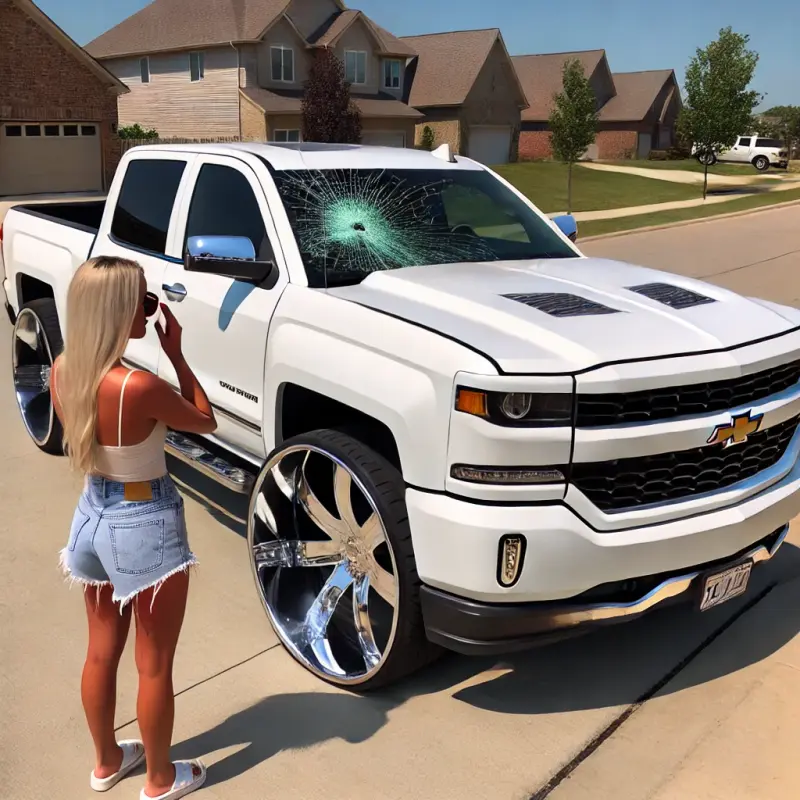
Humidity swings in Spartanburg can be dramatic. If a summer storm passes while the job is underway, most techs can still proceed under a canopy or in a garage, but a downpour on an open windshield compromises bonding. The right call is to pause or reschedule. I’ve seen leaks traced to rushed installs in drizzle more times than I can count.
Glass quality, part numbers, and how to avoid false economy
Not all glass is equal. The original equipment manufacturer (OEM) supplies the assembly line and often also supplies authentic replacement glass with the automaker’s logo. High-quality aftermarket glass can be excellent, sometimes coming from the same factory without the branding. Low-tier aftermarket glass can have distortion, waviness near the edges, or poor frit paint coverage. You’ll notice distortion when straight lines bend slightly as you sweep your eyes across the glass. On a heads-up display car, that flaw becomes magnified.
Ask the auto glass shop Spartanburg advisor which brand they plan to install. If your car has acoustic laminated glass, heated elements, a HUD, or a specific shade band, generic substitutions cause issues. Paying 10 to 20 percent more for glass that matches the original spec is money well spent. If a shop avoids the topic or won’t share part details, consider another provider.
What ADAS calibration actually means and why it matters
Cameras mounted at the top center of the windshield monitor lane markings, traffic, and sometimes cyclists and pedestrians. After a windshield replacement, those cameras need to know precisely where “straight ahead” sits relative to the chassis. Even a millimeter of offset in the bracket can translate to inches of error down the road.
Static calibration uses printed or digital targets positioned at exact distances on a level floor. Dynamic calibration requires a controlled drive at steady speeds on roads with clear lane lines. Some models demand both. Plan thirty minutes to two hours for this step depending on your car. Skipping it or doing it sloppily can trigger warning lights or, worse, silent misalignment. You don’t want a system to think a curve is straight just because the camera sees a skewed horizon.
A solid vehicle glass repair Spartanburg team will document the calibration results, including any DTCs cleared and the final confirmation from the scan tool.
Pricing, insurance, and realistic expectations
Costs depend on glass type, features, and calibration complexity. A simple chip repair typically runs a small fraction of replacement, and some insurers waive deductible for chips to encourage early fixes. A plain sedan windshield without sensors might cost in the low hundreds out of pocket, while a luxury SUV with HUD and heated wiper park zone plus calibration can climb much higher. Rear windows with defrosters sit somewhere between, and side windows usually land lower unless they require special tint or frameless mechanisms in coupes.
If you file a claim, the shop can bill your insurer directly. You’re still the customer, not the insurance company, so don’t be shy about asking for OEM or equivalent glass when safety features rely on exact spec. Spartanburg adjusters see these claims daily, and good shops know how to navigate approvals without turning it into your full-time job.
Preparing your car and what to do afterward
You can shave time off the appointment and help the tech do a cleaner job with simple prep. Clear personal items off the dash, remove toll transponders and dash cams from the windshield, and park in a location with enough room around the vehicle. If your wiper blades are overdue, consider replacing them at the same visit; new glass deserves clean edges.
After the install, follow the shop’s guidance. Keep a window slightly cracked for a day if recommended to equalize pressure during curing. Avoid high-pressure car washes for 24 to 48 hours. Don’t pull masking tape early if it was applied to hold trims in place, and don’t slam doors repeatedly while the urethane gains strength. If you hear a faint whistle at highway speed days later, that’s a sign a molding isn’t seated or a micro gap exists. 29301 Auto Glass Replacement 29301 Call the shop. Most offer no-charge adjustments and leak checks.
Edge cases that require judgment
Not every job is textbook. A few scenarios come up often around Spartanburg:
- Classic cars and restorations: The pinch weld may have old paint or filler that needs gentle handling. Glass can be scarce, seals may be rope-in style, and installers need vintage experience. Budget more time, and insist on hand tools rather than aggressive power cutters. Fleet trucks and work vans: Schedules are tight, and vehicles carry tools. Mobile install at a job site can work, but dust and debris increase risk. A clean corner of the yard or an early-morning shop visit is better. Fleet accounts often benefit from standardized glass and adhesives to keep SDAT predictable. Cold snaps: Adhesive performance dips below certain temps without proper primers and heaters. A shop that shows up with a cold cartridge and bare hands is one to avoid. Look for a tech using heated boxes for urethane and acknowledging extended cure times. Rust under moldings: Water intrusion over years can rot the pinch weld. If your car has a stubborn leak that never went away, the glass might have been bonded over rust. Fixing it means stripping, treating, and repainting the flange before new glass. It’s slower, but it’s the only way to stop the cycle. Theft damage: A smashed door glass often leaves glass chips in the window channel. If the tech doesn’t vacuum deep into the regulator tracks and door cavity, you’ll hear grinding every time you lower the window. Good car window repair Spartanburg techs pull the door panel, clean the tracks, and inspect the regulator for bent guides.
How to vet a shop without playing detective
The best gauge is how they talk about the job. Ask about their adhesive brand and SDAT, whether they perform or arrange ADAS calibration, and what warranty they provide for leaks and stress cracks. If they handle mobile service, ask what their weather policy is. A clear, confident answer beats a scripted sales pitch. Search for consistent feedback on water leak fixes, not just star ratings. If a shop is fixing other shops’ leaks, they’re usually doing something right.
It’s also fair to ask whether the same technician will do both removal and installation. Continuity matters. A tech who takes out the old glass knows exactly what the flange looks like and can adjust bead height and position for a perfect seat.
Why cracks spread in Spartanburg and what to do about it
Temperature swings across a day accelerate crack growth. Park in the sun at noon, drive into air-conditioned tunnels by evening, then hit a summer thunderstorm and spray cold water on a hot windshield. The glass moves, the crack grows. A small star break can turn into a foot-long line across your field of view in a weekend.
If you wake up to a new crack, avoid slamming doors and blasting the defroster on high. Tape over the crack to keep out moisture and grit until a windshield chip repair Spartanburg crew can inject it. If the crack has run, schedule replacement before it creeps into the camera zone or the upper sweep where it can distract your eyes.
What a clean repair looks like
A well-executed injection repair leaves a faint scar, like a small insect fossil caught in amber. The optical clarity improves dramatically, and strength returns to the damaged point. You should barely notice it during the day and not at all at night. If you still see a pronounced air pocket, the resin didn’t fully penetrate, perhaps because moisture or dirt had migrated into the break. Early intervention always yields cleaner results.
Timelines you can count on
For a simple chip, plan 30 to 45 minutes including paperwork. For a standard windshield replacement without calibration, 60 to 90 minutes plus SDAT. With calibration, add 30 to 120 minutes depending on whether it’s static, dynamic, or both. Side windows usually take under an hour if parts and clips are on hand. Rear windows with defrosters can run longer due to cleaning and wiring checks.
Most auto glass services Spartanburg teams can offer same-day or next-day appointments. If the glass is a specialty part, lead times range from one to five business days. During storms or cold snaps, expect a surge, and book early.
Safety, warranties, and what to write down
Your installer should provide:
- The glass manufacturer and part number, adhesive brand, and printed or digital SDAT, along with calibration reports if performed.
Keep that information with your maintenance records. If you sell the vehicle, it speaks well of your care. If you ever chase a leak or a sensor fault, those details help whoever works on the car next.
Warranties typically cover wind noise, water leaks, and defects in materials and workmanship for as long as you own the vehicle. Stress cracks unrelated to new impact within a short period are often covered, but not damage from fresh road debris. If you see moisture at the headliner or A‑pillars after a wash, don’t wait. Call the shop immediately while the details are fresh and conditions are similar for diagnosis.
Final considerations for Spartanburg drivers
Roadwork on I‑26, gravel from construction sites, and seasonal storms all conspire against glass. The solution isn’t to obsess, it’s to respond smartly when damage happens. Fix chips quickly before they spread. Choose a shop that treats urethane and calibration as safety-critical, not optional. For mobile jobs, give the tech a clean, wind-sheltered spot and the time their adhesive needs. For complex ADAS vehicles, accept that the extra hour for calibration buys you confidence in every mile that follows.
Replacement should feel methodical, not rushed. From the first protective tape to the last scan tool beep, the process rewards patience and precision. Done right, a new windshield becomes invisible again, which is the best compliment a glass installer can receive. And when you need help fast, Spartanburg has capable professionals who can meet you at your driveway or welcome you in the bay, repair or replace with the right part, and hand your keys back with the car sealed, aligned, and ready for the next thousand miles.